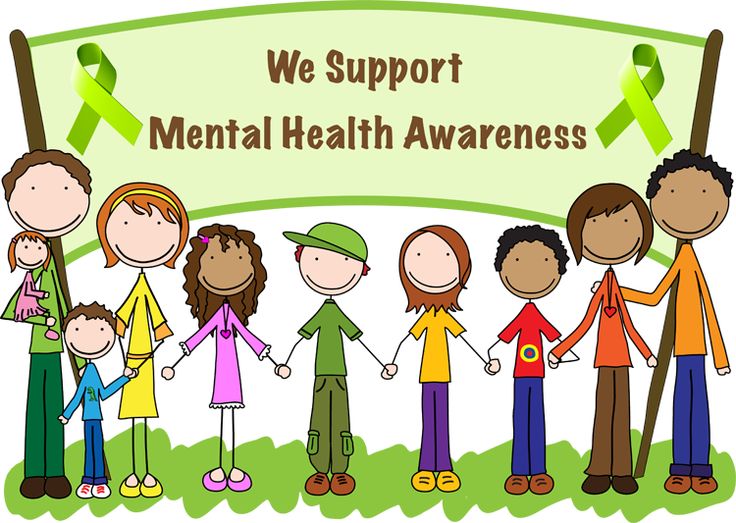
Our Mission
MHSFF is dedicated to promoting mental health awareness and providing resources for families, teens & young adults seeking mental health support. Our mission is to provide families, teens & young adults struggling with mental health illness/disorders a virtual support network that can help prioritize their mental health by providing access to the tools they need to live a fulfilling life.
We Help Families, Teenagers & Young Adults
We invite you to explore our resources, participate in our events, and connect with others who share a passion for mental wellness. Our goal is to create a supportive environment where everyone feels valued and heard. Your mental health matters, and we are here to help you thrive.
FAMILIES
We offer:
- Weekly support groups
- Resource workers to help get with community services ex: medical insurance
- Help with child school IEP and 504 Plans
- Self-care activities to help cope and manage parent/child mental health
- Parent improvement groups
- Healthy living and eating activities
- We provide a support system
TEENAGERS
We offer:
- Weekly support groups
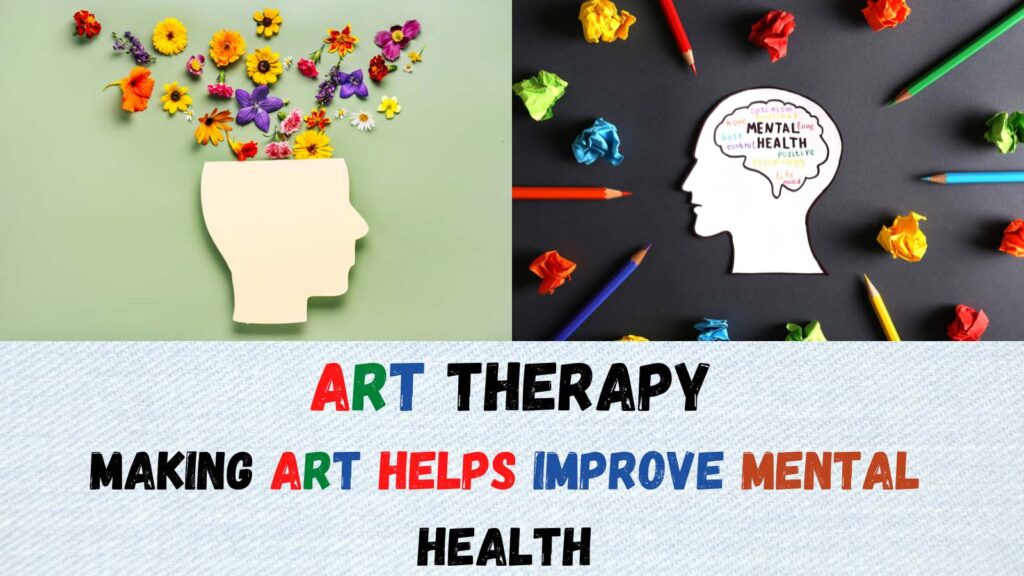
- Therapeutic activities using art
- Self-care activities to help cope and manage their mental health
- Life skill workshops for banking, education and employment
- Tutoring
- Healthy living and eating activities
- We provide a virtual support system
YOUNG ADULTS
We offer:
- Weekly support groups
- Therapeutic activities using art
- Self-care activities to help cope and manage their mental health
- Holiday Meals
- Life skills workshop for banking, education and employment
- Healthy living and eating activities
- Tutoring
- We provide a virtual support system
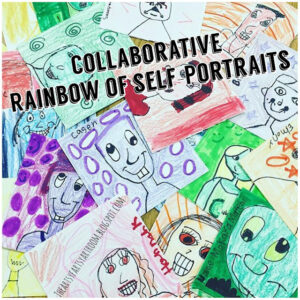
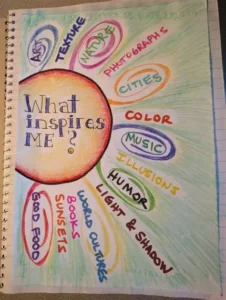
We Incorporate Art Therapy In Our Group Activities!!
Check out the Art Therapy Page link above.





The difference between mental illness and mental disorder
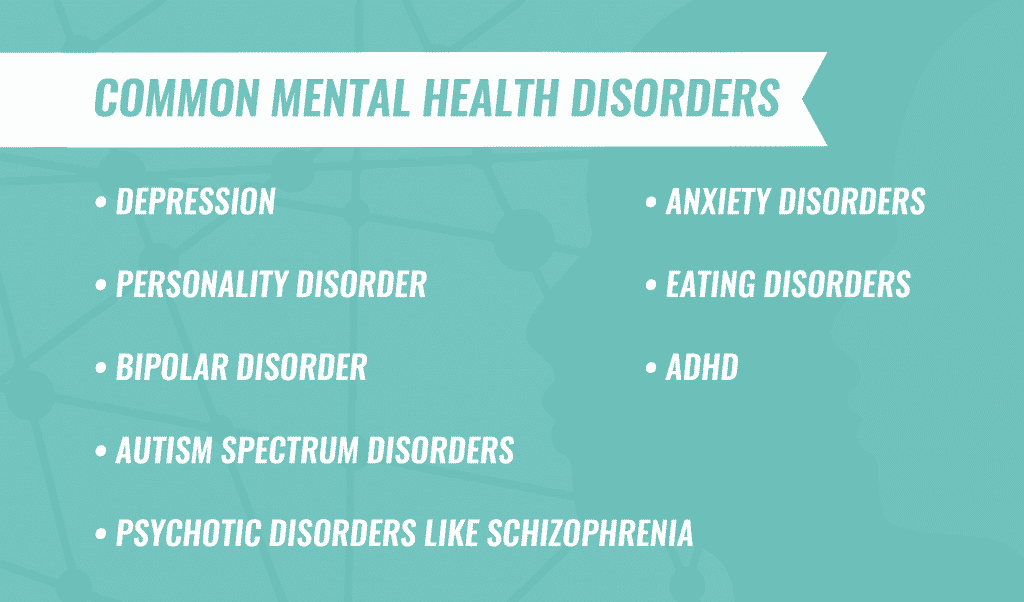
- Mental Disorder: This is a broader term that encompasses a wide range of conditions affecting mental functioning and behavior. It refers to any significant disturbance in an individual’s cognitive, emotional, or behavioral functioning.
- Mental Illness: This term is often used more specifically to describe a range of health conditions that affect mood, thinking, and behavior. It is a subset of mental disorders and is used to refer to diagnosed conditions that impact a person’s mental well-being.
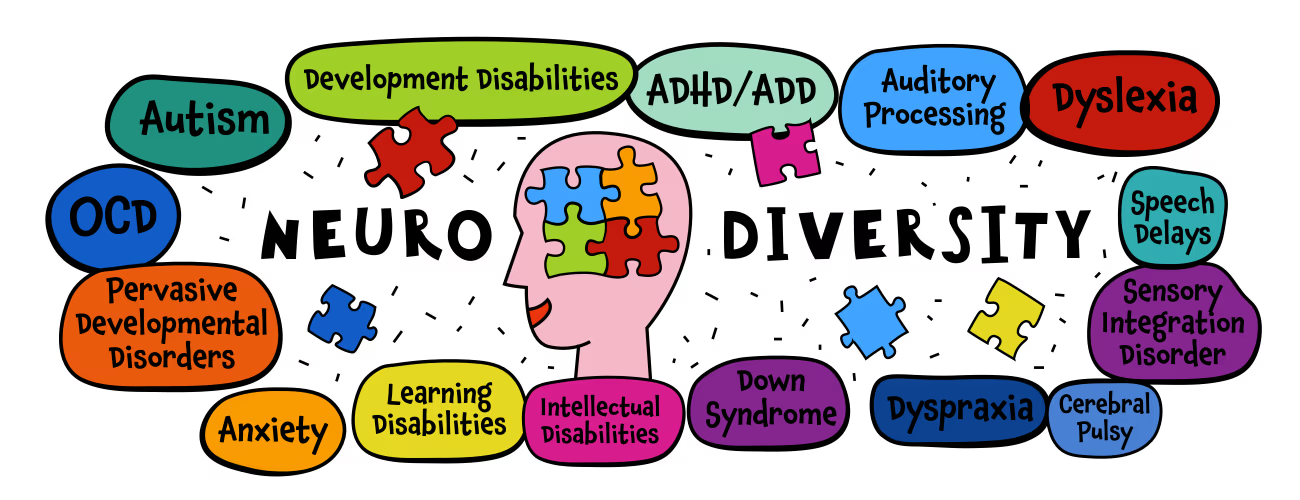
WE ALSO SUPPORT THOSE WITH AUTISM, INTELLECTUAL DISABILITIES, LEARNING AND DEVELOPMENTAL DISABILITIES
Checkout The Free Hairstyles For Students Program
www.freehairstylesforstudentsprogram.com

IMPORTANT INFORMATION:
We don’t cut wash, blow dry or straighten unless its done with a licensed hairstyle.
For returned students we do ask to bring the ponytail holders and barrettes for their next appointment.
Students are able to continue to get their hair done throughout the school year.
It’s Completely free. We supply all hair supplies.
We clean and disinfect all brushes and combs, hair clips, anything we use after each person. We don’t treat lice.
Eating for Mental Health: Nutrition Tips
What you eat can impact your mental health:
How you think, how you feel emotionally and your outlook on daily stressors.
Pay attention to how and what you eat to keep mood shifts at bay.
Your mental health affects every aspect of daily living: your physical health, energy level, social relationships and ability to cope with life’s challenges.
If you find yourself struggling with ways to help your mind process the ups and downs of the times, there’s good news. Your meal plan is a direct tool for helping your brain function at its best. It may take a bit of practice to introduce new behaviors into your daily routine, but you can do it. Let’s get started.
Stabilize Energy, Stabilize Mood

Keep your energy levels even keel by maintaining your blood sugar to minimize peaks and valleys in mood. Eat regularly scheduled meals with hydration from water and servings from the 5 Food Groups—Vegetables, Fruits, Grains, Protein Foods and Dairy. Doing so provides a variety of vitamins, minerals and antioxidant-acting plant compounds that help your body to work efficiently for overall well-being.
Color Half Your Plate

Every Food Group is important, but consistently shoot for half of each meal to come from vegetables and fruit. Weave more plants into meals and snacks by selecting a variety of colors, textures and types. For example, include orange citrus, purple berries, red tree fruit, yellow stringy winter squash, deep-colored leafy greens and bright white cruciferous vegetables.
Fill Up With All Types
Building meals and snacks around all forms of fruits and vegetables—fresh, frozen, canned, juiced and dried—is essential. Shop the array of colors, textures and types of produce throughout the aisles just waiting to help you feel and perform your best.
LGBTQA+ Community Welcome
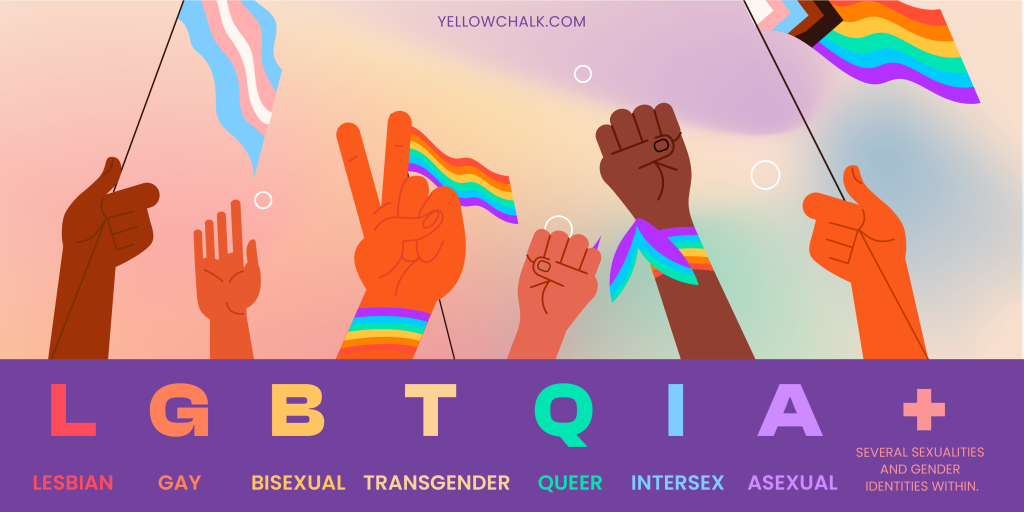
MHSFF Is Stigma Free! We Don’t Allow Any Sort Of Discrimination
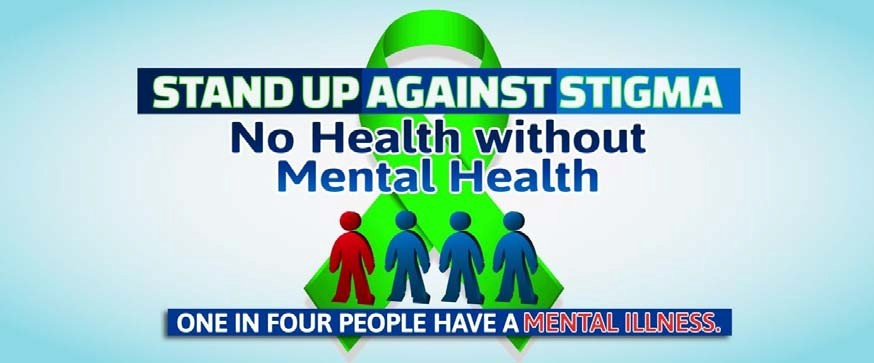
Stigma, as it relates to mental health, is when people who experience mental health disorders are viewed or view themselves in a negative light.
Mental health stigma can either be public stigma, self-stigma, or a combination of the two.
Public stigma includes stereotypes and discrimination held by the general population. A person can adopt public stigma and hold negative beliefs even before developing a mental health condition.
Stereotypes include beliefs that people are responsible for their mental health issues or that those with mental health conditions are more likely to be dangerous.
Common forms of discrimination include denying someone housing or turning down someone for a job based on their mental health.
Self-stigma happens when someone with a mental health disorder applies negative public views to themselves. They observe others’ negative attitudes. Often, they believe they are unworthy or should be able to control their symptoms through willpower.
When someone takes on beliefs like these, it’s easy for them to feel isolated, misunderstood, or that they’re the underdog. They may hesitate to apply for housing, get medical care, and participate in community activities.
Free Hairstyles For Students Program

MENTAL HEALTH SUPPORT FOR FAMILIES
MENTAL HEALTH SUPPORT FOR YOUNG ADULTS (MHSFF YOUNG ADULTS)
MENTAL HEALTH SUPPORT FOR TEENS (MHSFF TEENS)
Meet The Board Of Directors

Celencia Gladden
Founder & President
Celencia Gladden
Phone: (413) 212-0187
WhatsApp: (text only) 413-449-8049
Email: mhsff2022@gmail.com
Pittsfield MA, 01201